
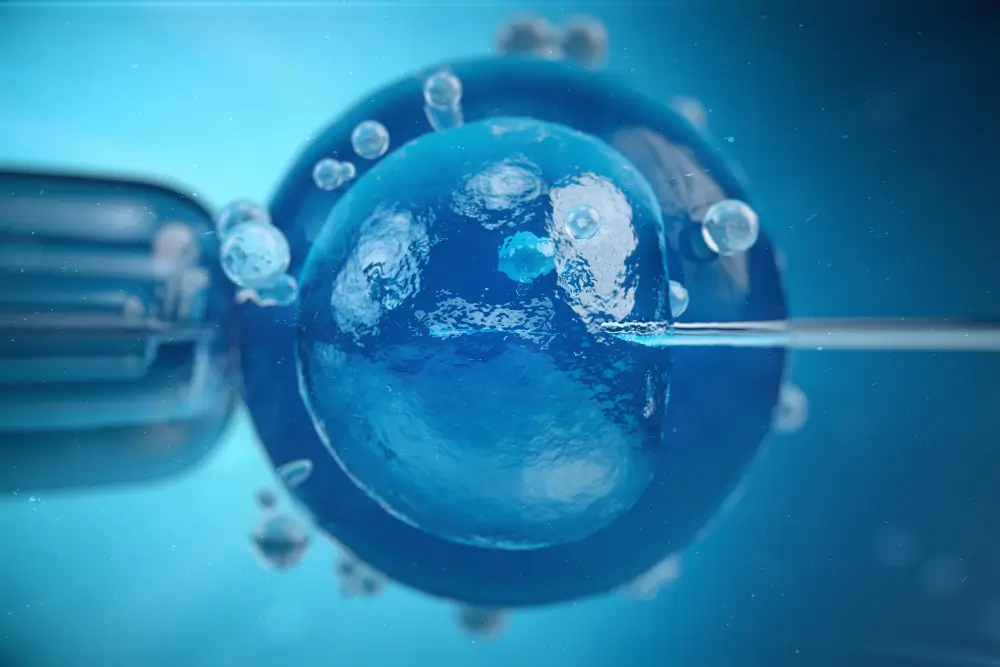
AI Smart Summary Box
AI Smart Summary | Embryo Transfer Q&A
What it is: A short, ultrasound-guided IVF procedure placing embryos into the uterus.
Duration: Quick and typically painless (no anesthesia).
Post-Transfer: Most people can go home shortly after with simple precautions.
Pregnancy Test Timing: About 9–10 days after your transfer for a blood test.
Symptoms: Hormonal meds can mimic early pregnancy signs — not definitive.
Activity: Light activity is fine; strict bed rest isn’t usually recommended.
A Complete Guide to What Happens Before, During, and After IVF Embryo Transfer
An embryo transfer is one of the most emotional and highly anticipated moments of the IVF journey. After weeks (or months) of medications, monitoring, egg retrieval, fertilization, and embryo development, this step represents hope — and understandably, lots of questions.
At ConceptionIVF, we hear the same concerns again and again:
- Can I accidentally ruin the transfer?
- What should I feel after the procedure?
- When will I know if it worked?
- What should I avoid during the wait?
This comprehensive guide answers the most common embryo transfer questions clearly, honestly, and compassionately — so you can move forward with confidence and peace of mind.
What Is an Embryo Transfer?
An embryo transfer is the final step of an IVF cycle, where one (or sometimes more than one) embryo is carefully placed into the uterus using a thin, flexible catheter under ultrasound guidance.
Key points to know:
- The procedure is quick (usually 5–10 minutes)
- It is typically painless or causes only mild discomfort
- No anesthesia is required
- You can usually go home shortly after
The goal is simple: to place the embryo in the optimal position within the uterus to allow implantation.
What Happens on Embryo Transfer Day?
Before the Procedure
- You may be asked to arrive with a moderately full bladder, which helps with ultrasound guidance.
- Your care team will review embryo details (development stage, quality, and number to be transferred).
- The embryologist prepares the embryo in the lab while you are getting ready.
During the Transfer
- A speculum is placed, similar to a Pap smear
- A soft catheter containing the embryo is gently guided into the uterus
- Ultrasound ensures accurate placement
- The embryo is released, and the catheter is removed
The embryo cannot fall out — it is protected within the uterine environment.
Can the Embryo Fall Out If I Sneeze, Cough, Pee, or Stand Up?
No. This is one of the most common fears — and one of the biggest myths.
Once the embryo is placed inside the uterus:
- Sneezing
- Coughing
- Laughing
- Urinating
- Standing or walking
will NOT dislodge it.
The uterus is not an open space — it’s a muscular, enclosed organ. Gravity does not affect embryo placement in the way many people imagine.
Should I Stay in Bed After Embryo Transfer?
Short answer: No strict bed rest is needed.
Most fertility specialists recommend:
- Taking it easy for the rest of the day
- Gentle movement (walking, light activity)
- Avoiding intense exercise or heavy lifting for a short period
Prolonged bed rest has not been shown to improve implantation rates and may actually increase stress and discomfort.
Think: rested, not immobilized.
What Can I Do After Embryo Transfer?
Generally Allowed:
- Light walking
- Desk work
- Showering
- Normal daily activities
- Gentle stretching
Usually Advised to Avoid (for a short time):
- Intense workouts
- Heavy lifting
- Hot tubs, saunas, steam rooms
- High-impact exercise
- Alcohol and smoking
Your doctor will tailor guidance based on your specific protocol and medical history.
What Symptoms Are Normal After Embryo Transfer?
Many patients analyze every sensation after transfer — which is completely understandable. However, symptoms (or lack of symptoms) are not reliable indicators of success.
Common Post-Transfer Sensations:
- Mild cramping
- Bloating
- Fatigue
- Breast tenderness
- Mood changes
- Light spotting
Important to know:
These symptoms are often caused by progesterone or estrogen medications, not necessarily implantation.
Some people feel nothing at all — and still have successful pregnancies.
Is Spotting or Light Bleeding Normal?
Yes, light spotting can be normal after embryo transfer and does not automatically mean failure.
Possible causes include:
- Cervical irritation from the catheter
- Hormonal changes
- Implantation bleeding (in some cases)
However, you should contact your clinic if you experience:
- Heavy bleeding
- Severe or worsening pain
- Fever or unusual discharge
When Does Implantation Happen?
Implantation typically occurs:
- 3–5 days after transfer for a blastocyst (day-5 embryo)
- Slightly later for earlier-stage embryos
Implantation is a complex biological process influenced by:
- Embryo quality
- Endometrial receptivity
- Hormonal environment
- Immune and molecular factors
This is why patience during the wait is so important — and so difficult.
When Can I Take a Pregnancy Test?
This is one of the hardest parts of IVF.
Blood Test (Recommended)
- Usually 9–10 days after embryo transfer
- Measures beta hCG levels accurately
Home Pregnancy Tests
- Can give false positives (from trigger shots)
- Can give false negatives if taken too early
- Often increase anxiety
At ConceptionIVF, we strongly recommend waiting for your scheduled blood test for the most reliable result.
Can Stress Ruin My Embryo Transfer?
This is a very common concern — and one that deserves reassurance.
Everyday stress does NOT cause embryo transfer failure.
While chronic, extreme stress affects overall health, normal emotional ups and downs:
- Will not “shake loose” the embryo
- Will not cancel implantation
- Will not undo the procedure
That said, managing stress is still important for your wellbeing. Gentle relaxation techniques, breathing exercises, mindfulness, and emotional support can help you cope during the waiting period.
Can I Have Sex After Embryo Transfer?
Recommendations vary, but many clinics suggest:
- Avoiding intercourse for a short period (often 24–72 hours)
- Resuming intimacy later if comfortable and approved by your doctor
This precaution is mostly about:
- Uterine contractions
- Comfort
- Individual medical factors
Always follow your clinic’s specific guidance.
Can I Travel After Embryo Transfer?
In most cases, short-distance travel is allowed, including car rides and flights. However:
- Long travel immediately after transfer may increase fatigue
- You should remain accessible for follow-up testing
If you need to travel, discuss timing with your care team.
What If I Don’t Feel “Pregnant”?
Many successful IVF pregnancies begin with no symptoms at all.
Feeling nothing does NOT mean:
- Implantation didn’t occur
- The transfer failed
- Something went wrong
Hormones affect everyone differently, and early pregnancy symptoms vary widely.
What If the Embryo Transfer Is Not Successful?
This is a difficult question — but an important one.
Even with high-quality embryos and perfect conditions, not every embryo transfer results in pregnancy. This does not mean:
- You did something wrong
- IVF cannot work for you
- Future attempts won’t succeed
If a transfer is unsuccessful, your fertility specialist will:
- Review embryo quality
- Assess uterine factors
- Evaluate hormone levels
- Discuss next steps (another transfer, protocol adjustment, testing)
Many patients achieve success in subsequent transfers.
How Can I Best Support My Body After Transfer?
Focus on what you can control:
- Take medications exactly as prescribed
- Stay hydrated
- Eat nourishing, balanced meals
- Get adequate sleep
- Avoid extremes (overexertion or isolation)
- Seek emotional support
Self-care is not about perfection — it’s about kindness toward yourself.
Emotional Health During the Two-Week Wait
The waiting period after embryo transfer can feel emotionally overwhelming. Common feelings include:
- Hope
- Fear
- Anxiety
- Hyper-vigilance
- Emotional swings
These feelings are normal.
Helpful strategies:
- Limit symptom-googling
- Set boundaries around pregnancy discussions
- Lean on trusted people
- Practice grounding techniques
- Remember: your worth is not defined by a test result
The ConceptionIVF Approach to Embryo Transfer Care
At ConceptionIVF, embryo transfer is never treated as “just a procedure.” We focus on:
- Personalized protocols
- Evidence-based guidance
- Clear communication
- Emotional support before and after transfer
- Compassionate follow-up regardless of outcome
Our goal is to help you feel informed, supported, and empowered at every step.
Frequently Asked Questions
Q. Can my embryo fall out if I sneeze, cough, or pee?
Ans. No — once the embryo is placed in the uterus, it won’t be dislodged by activities like sneezing, coughing, peeing, or normal movement.
Q. How soon will I know if the transfer worked?
Ans. You’ll typically return for a blood pregnancy test about 9–10 days after your transfer. At-home tests before that can be misleading due to IVF medications.
Q. What symptoms might I experience after transfer?
Ans. Hormonal support meds (progesterone/estrogen) can cause symptoms similar to early pregnancy, including mild cramping, bloating, fatigue, or breast tenderness. These don’t prove pregnancy — they often reflect medication effects.
Q. Is spotting normal after an embryo transfer?
Ans. Mild spotting or light bleeding can be normal, but heavy bleeding or severe pain should prompt a call to your clinic immediately.
Q. Should I have strict bed rest after transfer?
Ans. No — most providers recommend gentle activity and relaxation, but strict prolonged bed rest isn’t generally shown to improve outcomes.
Q. Can I go back to work after embryo transfer?
Ans. Yes — many patients resume light work within a day or two, depending on how you feel. Your care team can tailor recommendations based on your specific situation.
Q. Can I have sex after embryo transfer?
Ans. Check with your clinic: some recommend waiting a couple of days, while others allow light intimacy depending on symptoms and personal comfort.
Q. How long does the embryo transfer procedure take?
Ans. The transfer itself takes just a few minutes. Most patients arrive at the clinic, complete prep, have the procedure, then go home within a short time.
Q. Are there side effects from embryo transfer?
Ans. Side effects are usually mild and include cramping or light spotting. If you experience severe pain, heavy bleeding, fever, or worsening symptoms, contact your clinic.
Q. What if my transfer isn’t successful?
Ans. Not all transfers result in pregnancy on the first attempt. Your fertility specialist can review results with you, discuss possible reasons (including implantation factors), and plan next steps — including options like another transfer or different protocols.
Final Thoughts
Embryo transfer is a moment filled with hope, vulnerability, and courage. Questions are natural — and seeking accurate information is one of the best ways to care for yourself during this time.
No matter what happens, you are not alone. Your care team is here to guide you, support you, and help you navigate the next steps with clarity and compassion.
Have More Questions About Your Embryo Transfer?
Contact ConceptionIVF to speak with our fertility specialists and receive personalized guidance for your IVF journey.